
What “manufacturing process” really means
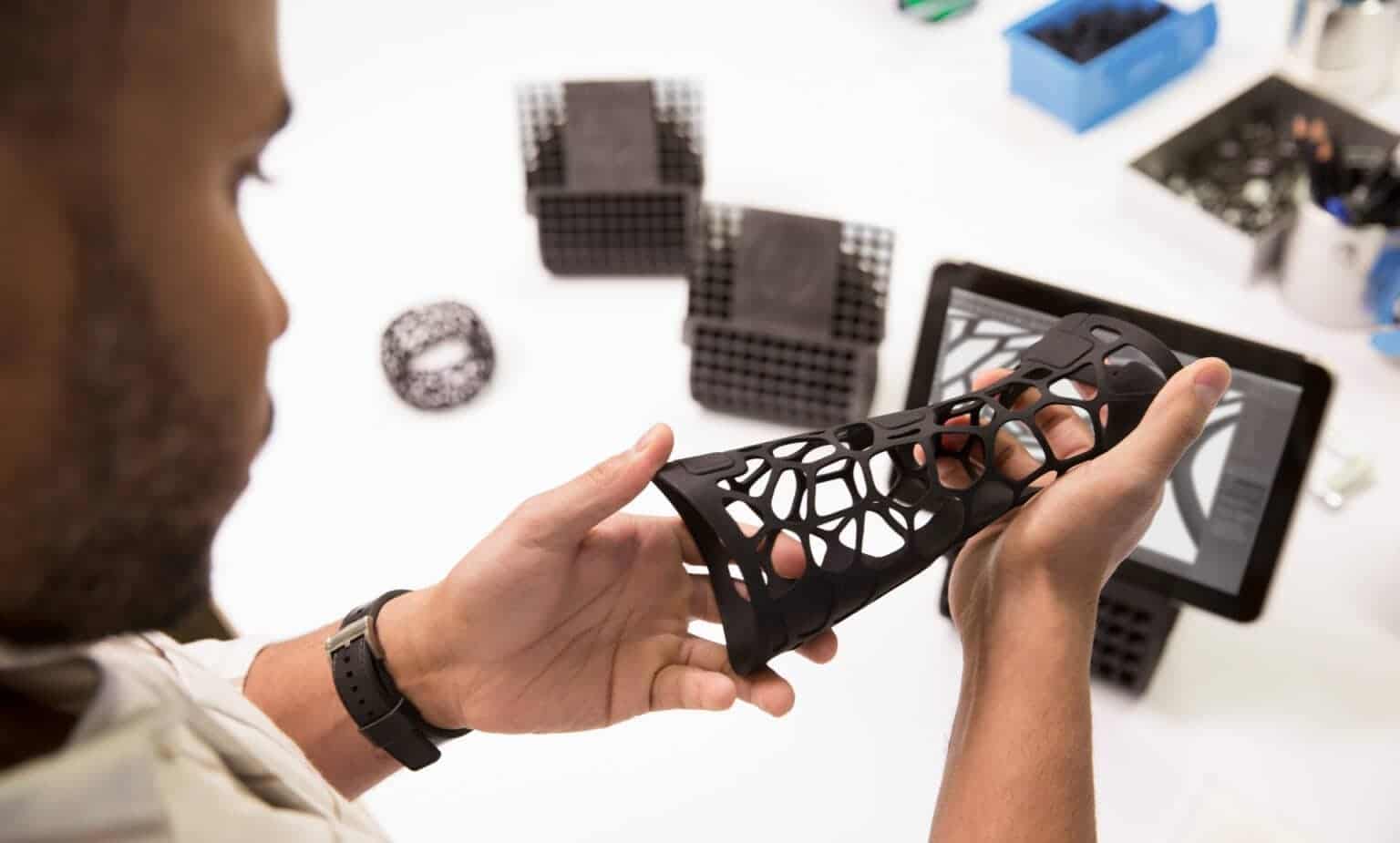
When engineers talk about a manufacturing process, they mean the sequence of steps that turns raw stock (bar, sheet, powder, resin, etc.) into a finished component with the required geometry, surface quality, and properties.
Those steps are tightly linked to the material’s behavior—how it flows, hardens, or deforms—so the same design is often made very differently in steel, aluminum, polymers, or ceramics.
Core process families
Most shop-floor operations fall into a handful of major families. Each family has its own sweet spot in terms of material, geometry, tolerance, and volume.
- Casting & molding: Molten metal or liquid polymer is poured or injected into a cavity, allowed to solidify, then removed as a near-net-shape part. Good for complex shapes and large parts, but surface finish and porosity must be controlled carefully.
- Bulk deformation: Forging, rolling, and extrusion reshape hot or cold metal by applying large forces, improving strength through grain flow while reducing thickness or changing cross-section.
- Sheet-metal forming: Stamping, deep drawing, and bending convert coil or sheet into panels, enclosures, and brackets, making it the workhorse for automotive and appliance skins.
- Machining and other material removal: Turning, milling, drilling, grinding, and nontraditional methods like EDM carve away material to hit tight tolerances and fine surface finishes that primary processes can’t reach alone.
- Joining and fastening: Welding, brazing, soldering, adhesive bonding, and mechanical fasteners transform separate pieces into an assembled product, often becoming the limiting factor in structural performance.
- Powder-based and ceramic processing: Powder metallurgy and sintering produce dense or porous parts from metal and ceramic powders, offering unique combinations of geometry and material that are hard to achieve by casting or forging.
- Polymer processing and additive manufacturing: Injection molding, extrusion, thermoforming, and 3D printing handle plastics and composites, with additive methods also expanding into metals for complex, low-volume parts.
Matching process to material
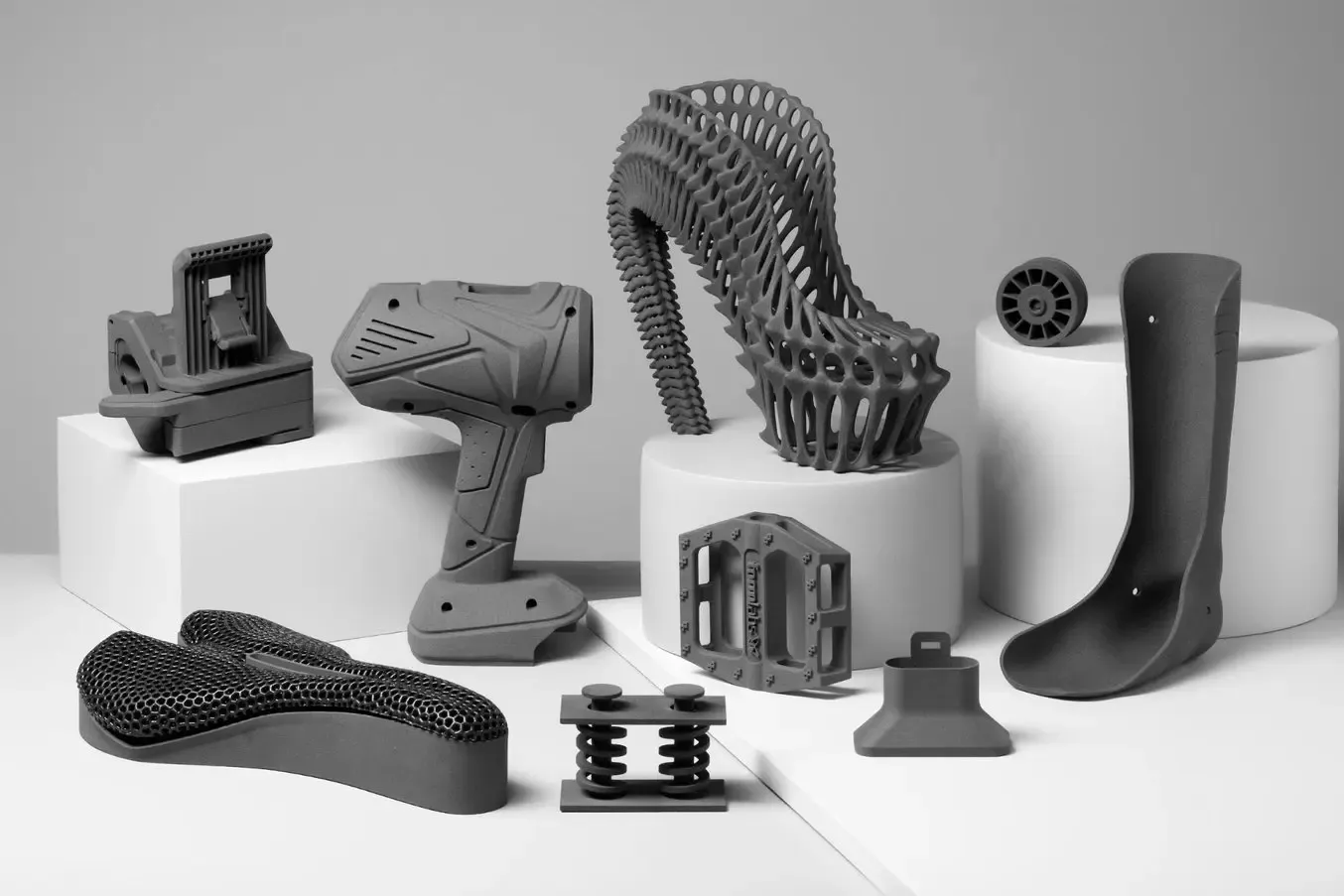
Engineering materials—metals, polymers, ceramics, and composites—respond very differently to heat, stress, and time, so process selection always starts with what the part must do in service.
- Metals: Cast and forged steels, aluminum, and titanium are chosen when strength, toughness, and temperature resistance are critical, often followed by machining and heat treatment to tune final properties.
- Polymers: Thermoplastics and thermosets flow at relatively low temperatures, making injection molding and extrusion efficient for high-volume consumer and automotive parts with integrated features like clips and ribs.
- Ceramics and glasses: Brittle, hard, and heat-resistant, they are usually shaped from powders or melts, then sintered or cooled under controlled conditions and finished with grinding or lapping.
- Composites: Fiber-reinforced systems rely on layup, molding, or automated placement processes to align fibers with load paths, trading manufacturing complexity for outstanding stiffness-to-weight.
Why process selection matters in design
From an engineering and business standpoint, process choice is a design decision, not an afterthought.
- It fixes the cost structure: tooling investment, cycle time, scrap, and labor all trace back to the process route.
- It locks in the microstructure and defects that drive fatigue life, wear, and corrosion resistance, often more than the raw material grade itself.
- It shapes sustainability: energy consumption, waste generation, and recyclability depend heavily on whether a part is cast, forged, machined from billet, or printed layer by layer.
The trend toward integrated and digital manufacturing
Modern manufacturing is moving away from isolated operations toward digitally linked, highly automated lines where design, planning, machining, inspection, and even packaging share the same data backbone.
- CAD/CAM and computer-integrated manufacturing shorten the distance between the 3D model and the machine tool, reducing errors and lead time.
- Automation, in-process metrology, and advanced controls make once “difficult” processes—such as high-speed machining of hard alloys or precision forming of ultra-high-strength sheet—repeatable at scale.
- Additive manufacturing is slotting in alongside traditional processes, not replacing them, often used to create near-net shapes that are then finished by conventional machining and joining.
Used thoughtfully, these processes give engineers a powerful toolkit: the same material, shaped two different ways, can behave like two different products in the field.