What Is Industrial Design?
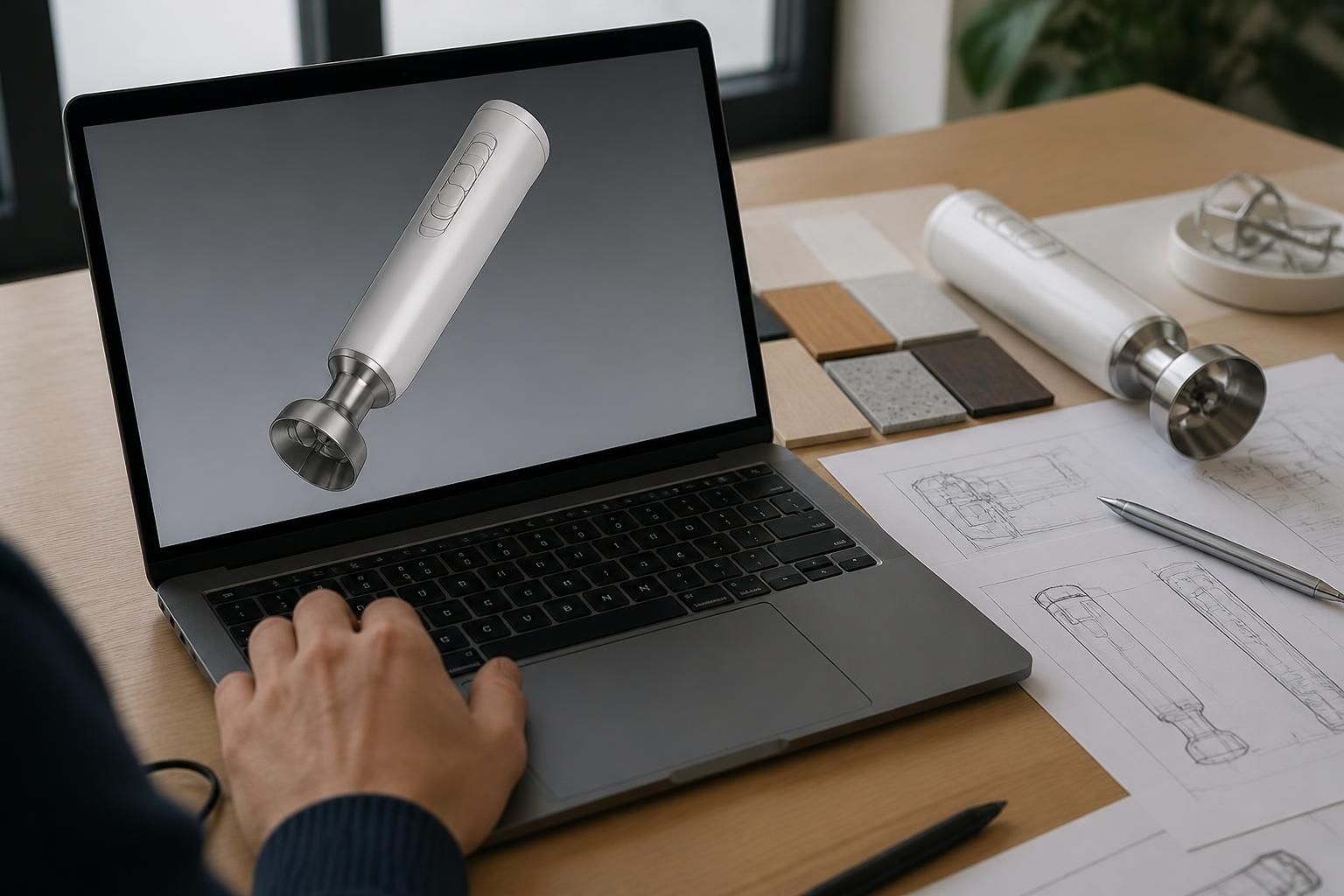
Industrial design is the process of shaping everyday products so they work well, feel easy to use, look appealing, and can be made. It brings user needs, appearance, and practical production choices together—from the curve of a chair to the layout of a kitchen appliance.
What Does Industrial Design Include?
Industrial design focuses on the form and use of physical products. Designers consider how an item looks, how people hold or operate it, and how it fits into daily life.
The World Intellectual Property Organization (WIPO) describes industrial design, in a legal context, as the ornamental aspect of an article. That may include its shape, lines, patterns, or colors. In product development, the work often extends beyond appearance to include comfort, usability, materials, and how the product can be manufactured.
Examples of products shaped by industrial design include:
- Furniture, lighting, and kitchen tools
- Phones, computers, and household appliances
- Cars, bicycles, and medical devices
- Packaging, containers, and wearable products
A successful design does more than look attractive. It helps people use a product with less effort and helps a business make and sell it.
Industrial Design vs. Product Design
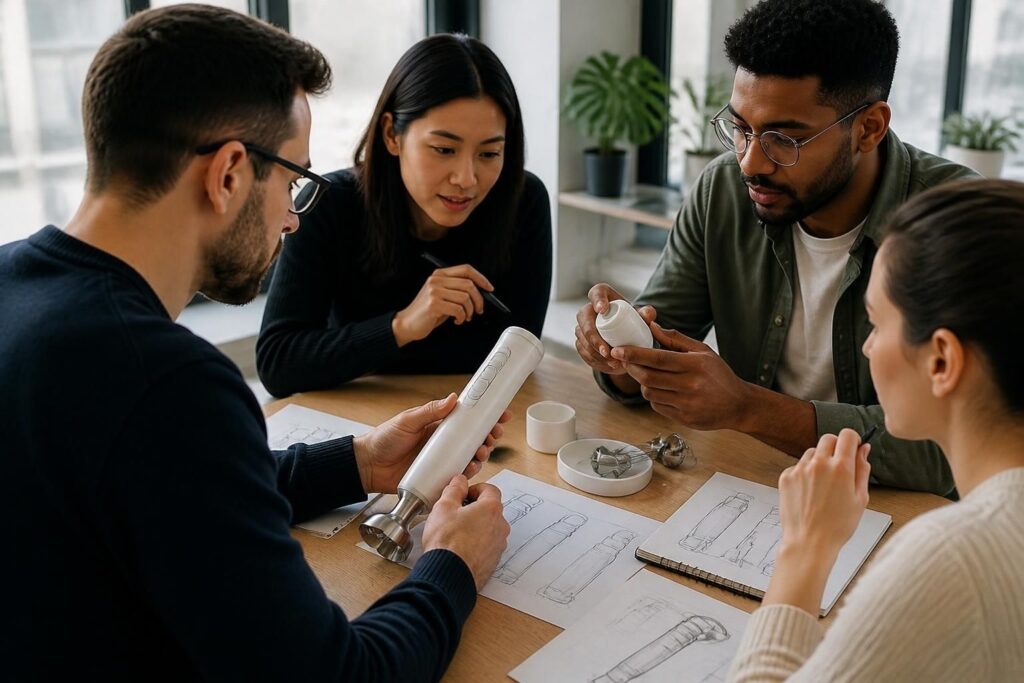
The terms industrial design and product design often overlap. Both can involve researching users, developing concepts, making prototypes, and refining products.
Industrial design usually has a strong focus on physical objects and their production. Product design can also refer to planning digital products, services, or the full experience of using a product. The exact meaning depends on the company, industry, and job description.
Industrial designers also work with other specialists. Engineers check technical performance, manufacturers advise on production, and marketers help the team understand customers and the market.
Why Is Industrial Design Important?
Good industrial design can make a product easier, safer, or more comfortable to use. Clear controls, a suitable shape, and thoughtful materials can help customers understand and enjoy a product.
Design also affects production and business decisions. If a product is difficult or costly to manufacture, a team may need to change its shape, materials, or parts. Designers and engineers work together to balance usefulness, appearance, cost, and production needs.
A Simple Industrial Design Process
Every project is different, but these steps offer a practical starting point:
- Define the problem. Describe who needs the product and what they are trying to do.
- Research users and the market. Observe how people handle similar products and notewhat works or causes trouble.
- Create ideas. Sketch several possible solutions before choosing one direction.
- Build a prototype. Make a simple model that lets the team examine size, shape, grip, orlayout.
- Test and improve. Ask likely users to try it, record their feedback, and revise the design.
- Prepare for production. Work with engineers and manufacturers on materials, parts,and production details.
Keep early tests focused on the main question. For example, if the challenge is opening a container, first test whether people can find and use the lid before refining its color.
What Skills Do Industrial Designers Use?
Industrial designers combine creative thinking with practical problem-solving. Common skills include sketching, visual communication, user research, model making, and clear teamwork.
Many roles also use computer-aided design (CAD) software to build and adjust digital models. The tools vary by employer, so people exploring this career should check job postings and education programs for the skills requested in their area.
Industrial design shapes how physical products look, feel, and work. By starting with a real user need, testing ideas, and planning for production, designers help turn concepts into products people can use.