Effective Communication in Design

“Effective communication in design means making sure ideas are understood early, feedback is useful, and the whole team stays aligned. It helps projects move faster, reduces mistakes, and leads to better final results. In design work, clear communication is just as important as creative skill. When people listen well, explain ideas simply, and share updates often, the work becomes smoother from start to finish”
Why Communication Matters in Design
Design projects involve clients, designers, engineers, marketers, and other stakeholders. If one person is unclear, the whole project can drift off track.
Strong communication helps you:
- avoid costly revisions
- build trust with clients
- keep teams aligned
- improve final design quality
Good communication also supports better decision-making. It helps everyone understand the goal before work begins.
Start With Clear Goals
Before any sketch, draft, or mockup, define the goal of the project. This gives the team a shared direction.
A simple way to do this is:
- state the problem
- define the audience
- confirm the desired result
- agree on deadlines
- decide how feedback will be shared
This step saves time later because everyone knows what success looks like.
Use Simple Language
Design ideas can be complex, but your communication should not be. Short sentences and plain words make it easier for everyone to follow.
Avoid jargon when possible. If a term must be used, explain it in a simple way.
Listen Before You Respond
Active listening is one of the strongest communication skills in design. It helps you understand what clients and teammates really mean, not just what they say.
Good listening means:
- asking follow-up questions
- repeating key points back
- noticing tone and concern
- giving people time to speak
This builds trust and often leads to better ideas.
Use Visuals to Support the Message
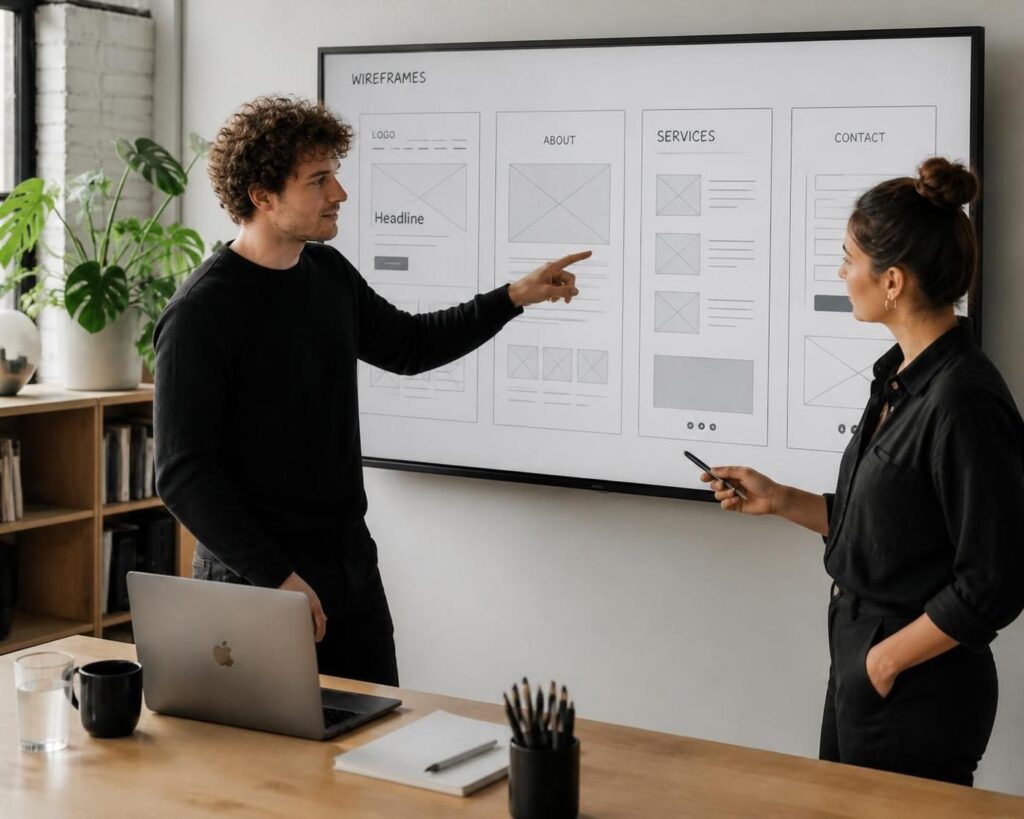
Visuals make abstract ideas easier to understand. Wireframes, sketches, diagrams, and mood boards can explain a concept faster than words alone.
For guidance on visual communication and teamwork, see Nielsen Norman Group and Smashing Magazine. For broader collaboration habits, Harvard Business Review also offers useful research-backed insights.
A Simple Communication Workflow for Design Teams
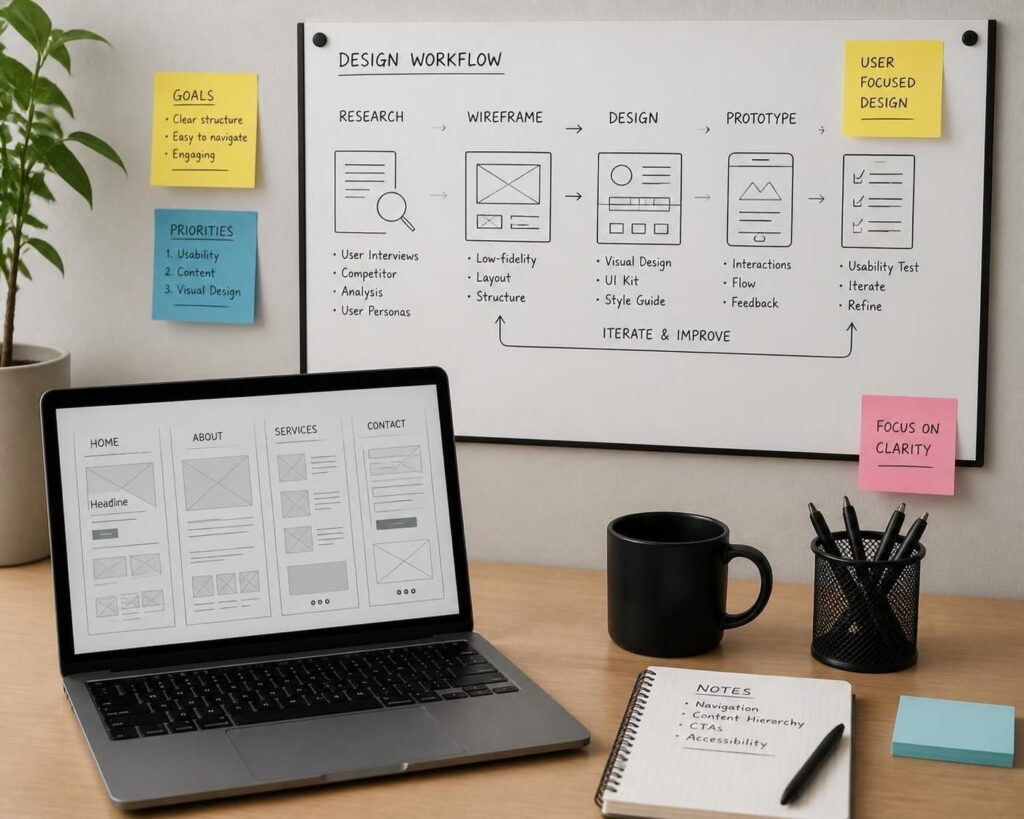
Use this workflow to keep projects moving:
- Step 1: Define the goal
- Step 2: Share the first concept
- Step 3: Collect feedback
- Step 4: Review changes with the team
- Step 5: Confirm the next action
- Step 6: Repeat until approval
This process keeps communication open and reduces confusion.
Keep Clients Updated
Clients want to know what is happening and what comes next. Regular updates prevent surprises and create confidence.
Best practices include:
- sharing milestones early
- explaining design choices clearly
- flagging delays right away
- asking for feedback at the right time
When clients feel informed, they are more likely to support the process.
Handle Communication Problems Early
Even good teams have misunderstandings. The key is to deal with issues before they grow.
Try this:
- address the issue directly
- stay respectful
- focus on the project, not the person
- return to the shared goal
This keeps the conversation useful instead of personal.
Quick Tips for Better Design Communication
- Keep updates short and clear
- Use visuals when possible
- Ask open-ended questions
- Confirm next steps after each meeting
- Share feedback in a calm, direct way
Effective communication in design helps teams work better, solve problems faster, and create stronger results. When goals are clear, feedback is simple, and everyone stays informed, the whole process becomes easier.
If you want better design outcomes, start with better conversations.