Crafting the Future: Conceptual Design Your Heading Text Here
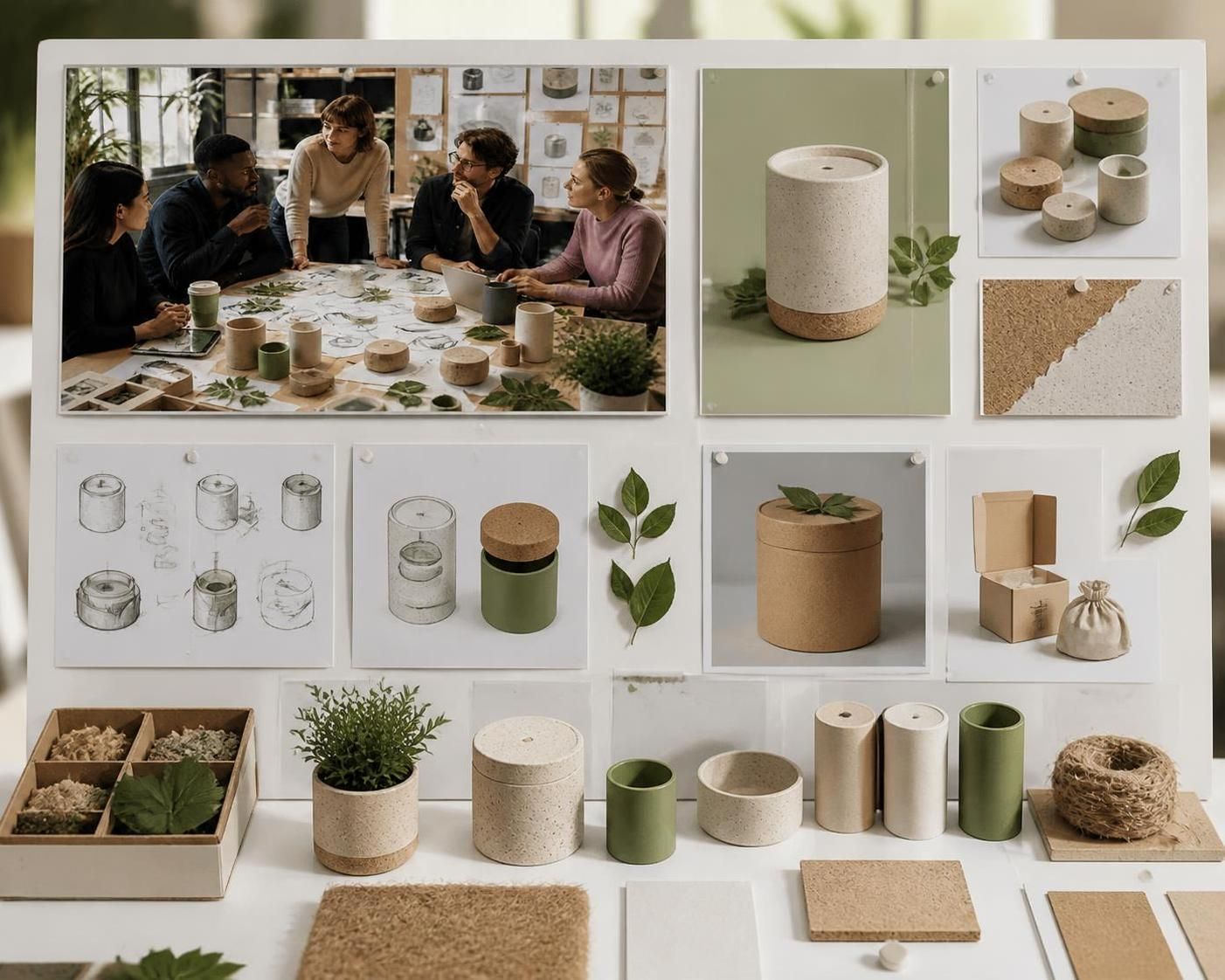
Conceptual design answers the question: How can an idea become a useful, attractive, and practical product or system? It is the early stage where designers explore solutions, understand user needs, and shape a strong direction before detailed production begins.
What Is Conceptual Design?
Conceptual design is the process of creating and testing an initial idea for a product, building, service, or digital experience. Designers use research, sketches, models, and discussions to understand what should be created and why.
The goal is not to finalize every detail. Instead, the focus is on finding the best possible direction before investing heavily in materials, engineering, development, or construction.
A strong concept considers:
- User needs and expectations
- Product function and usability
- Visual appearance and brand identity
- Production requirements
- Cost and market opportunities
- Environmental and social impact
Professional conceptual design services help businesses turn early ideas into clear, testable concepts that are ready for the next stage.
Why Conceptual Design Matters
Conceptual design reduces risk by helping teams identify problems early. A simple sketch or digital model can reveal issues that might become expensive to fix during production.
This process also gives stakeholders something concrete to review. Instead of discussing an abstract idea, clients, designers, engineers, and marketers can respond to a visual concept.
Conceptual design can help you:
- Compare several ideas before choosing one
- Improve the user experience
- Test product features at an early stage
- Build support among investors and stakeholders
- Create a clear plan for development
- Reduce wasted time and production costs
The Design Council’s Double Diamond framework also highlights the value of exploring a problem before developing and delivering a final solution.
The Role of Technology
Technology allows designers to explore ideas faster and with greater detail. Computer-aided design software can create accurate drawings, 3D models, and product layouts.
Virtual reality and augmented reality can place users inside a proposed space or allow them to interact with a digital product. This makes it easier to evaluate size, movement, comfort, and appearance.
Artificial intelligence is also changing the design process. Generative design tools can create multiple options based on goals such as strength, weight, cost, or material use.
However, technology does not replace human creativity. Designers still need to understand people, make thoughtful decisions, and select the concept that offers the most value.
A Simple Conceptual Design Workflow
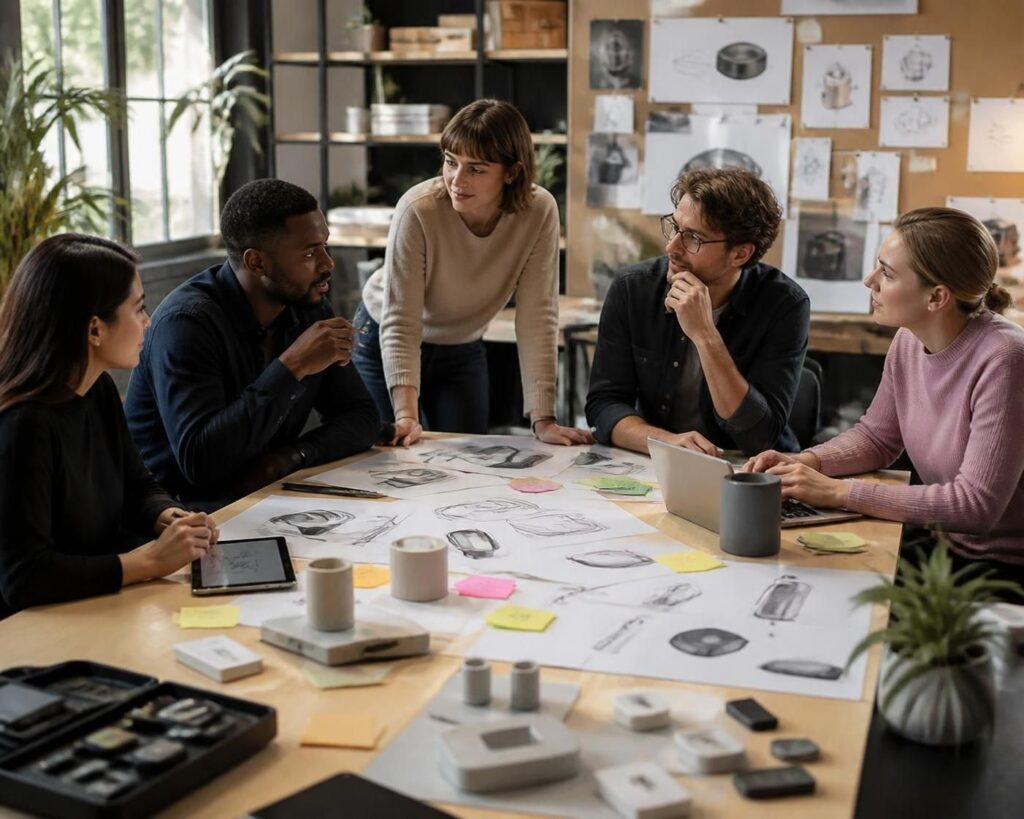
Use this step-by-step process to move from an early idea to a strong design direction:
- Define the problem: Identify what needs to be improved and who will use the solution.
- Research the audience: Study user behavior, preferences, frustrations, and goals.
- Generate ideas: Use brainstorming, mind maps, sketches, and mood boards to explore possibilities.
- Create rough concepts: Develop simple drawings, wireframes, mockups, or 3D models.
- Compare solutions: Review each concept for usability, cost, visual appeal, sustainability, and technicalpotential.
- Gather feedback: Share the strongest options with users, clients, and relevant team members.
- Refine the direction: Improve the selected concept and prepare it for detailed design or production.
Tools such as Figma, Miro, and 3D modeling software can support collaboration throughout this workflow.
Creativity, Collaboration, and Sustainability
Creativity helps designers move beyond familiar solutions. During conceptual design, teams should explore several ideas before choosing a final direction.
Collaboration makes this process stronger. Designers, engineers, researchers, marketers, and clients can each identify different opportunities and risks.
Sustainability should also be considered from the beginning. Designers can research responsible materials, efficient manufacturing, repair options, recycling, and product life cycles. The United Nations Sustainable Development Goals provide useful context for creating solutions with broader social and environmental value.
How to Choose Conceptual Design Services
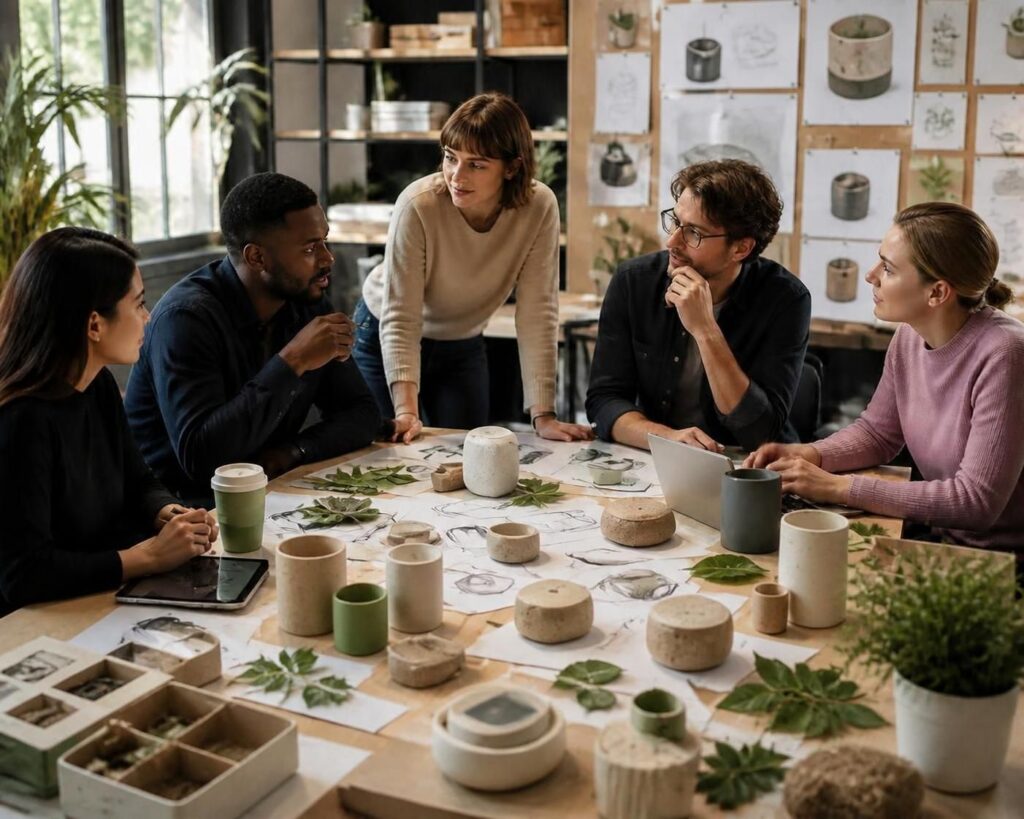
When hiring a design professional or studio, look for a team that can provide:
- A clear research and discovery process
- Strong portfolios with relevant projects
- Regular communication and progress updates
- Sketches, prototypes, or 3D visualizations
- User testing and feedback opportunities
- Practical recommendations for development
Ask how the team will measure success and what deliverables you will receive. A clear process helps you make confident decisions and move efficiently toward production.
Conceptual design turns early ideas into clear, useful, and testable solutions. By combining research, creativity, technology, collaboration, and sustainability, businesses can develop stronger products and systems with less risk.
Investing in conceptual design services gives your project a focused direction before detailed development begins.