Crafting Polished Products: EdinStudio’s Guide
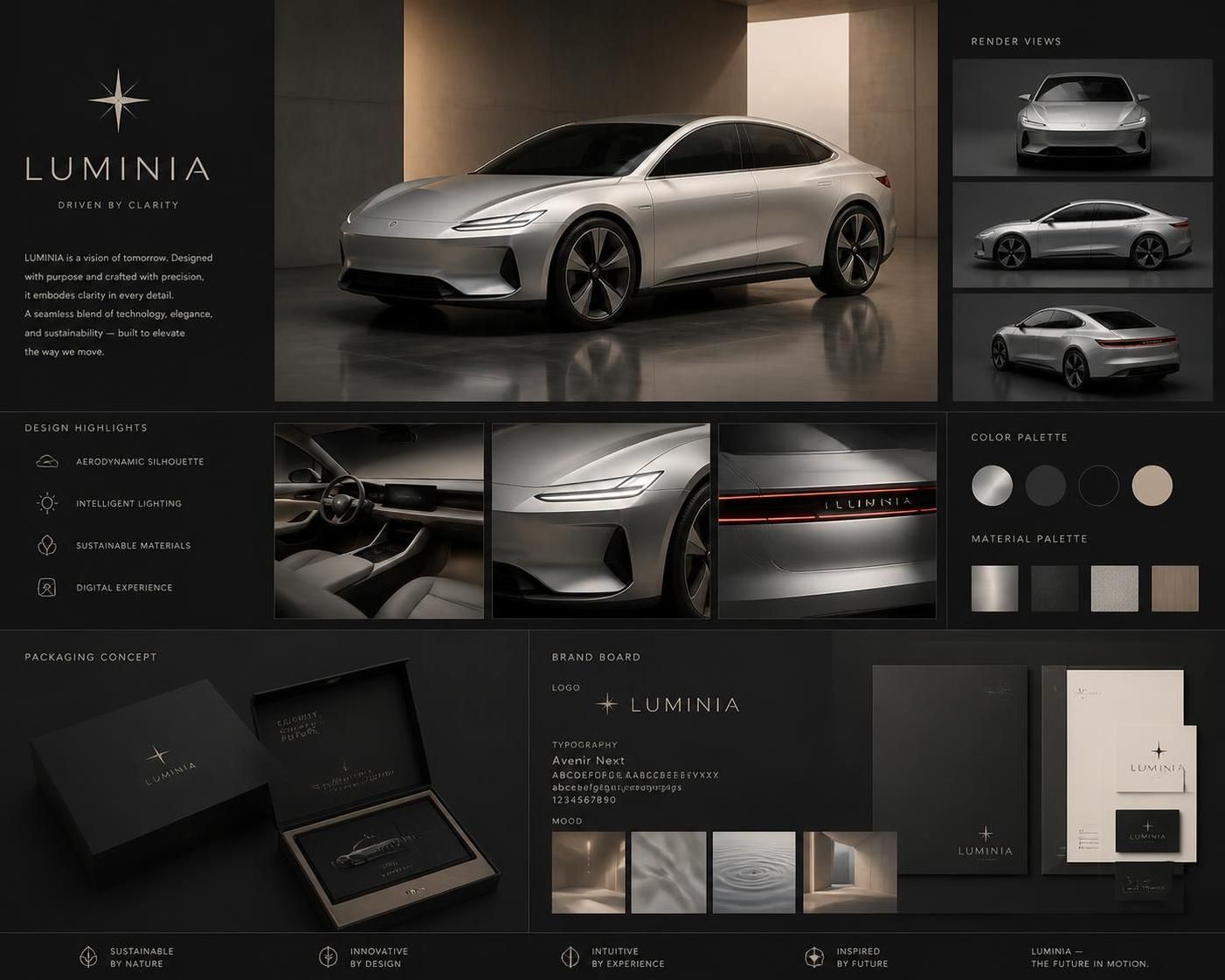
Crafting polished products is one of the fastest ways to improve market success. When design, development, and presentation work together, the final product feels more valuable and more ready to sell. This guide shows how 3D rendering services, custom CAD design, and product visualization help turn an idea into a refined product. If you want a more efficient product design workflow, this is the right place to start.
Why polished products matter
Polished products build trust. They also reduce costly mistakes by catching problems early in the design process.
A clean, precise product usually performs better in the market because it looks professional and functions well. That is true for both physical products and digital products.
For a helpful overview of product design thinking, see IDEO’s design process. For a practical look at CAD workflows, Autodesk’s resources on computer-aided design are also useful.
How 3D rendering services improve product development
3D rendering services help teams see a product before it is built. That makes it easier to test ideas, compare options, and spot weak points early.
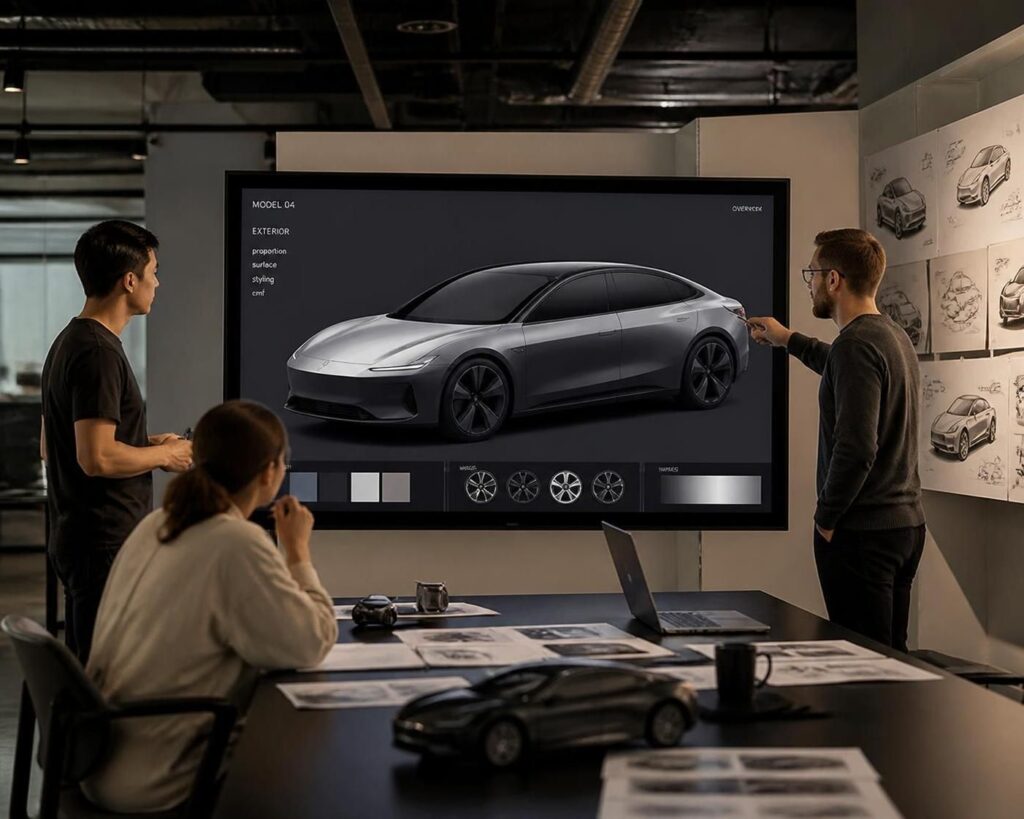
They also make communication clearer between designers, engineers, and clients. Instead of guessing, everyone can review the same realistic visual.
Here’s why that matters:
- Faster design changes
- Better decision-making
- Stronger marketing visuals
- Fewer production mistakes
If you want polished results, 3D rendering is not optional. It is a practical tool for moving from concept to creation with more confidence.
Custom CAD design keeps the product on track
Custom CAD design gives structure to the creative process. It lets teams build exact models, adjust dimensions, and refine details before production begins.
That matters because small errors can become expensive later. CAD helps prevent that by making precision part of the workflow from the start.
A strong CAD process supports:
- Accurate sizing
- Better fit and function
- Easier revisions
- Cleaner handoff to production teams
For a deeper technical reference, the National Institute of Standards and Technology offers useful research on manufacturing and product development.
Product visualization turns ideas into something real
Product visualization makes an early concept feel real. It helps teams and clients understand what the final product will look like and how it will present in the market.
This is especially useful for pitch decks, investor materials, and launch campaigns. A strong visual can often explain the product faster than a page of text.
It also supports better feedback. When people can see the product clearly, they can respond with more useful input.
Step-by-step workflow for crafting polished products
Use this simple process to keep product development organized:
- Define the product goal and target user.
- Build an initial concept sketch or brief.
- Create a CAD model with exact dimensions.
- Produce 3D renders for review.
- Collect feedback from stakeholders.
- Revise the design and repeat as needed.
- Finalize the product for production or launch.
This workflow saves time and keeps the project focused. It also makes the path from idea to finished product much smoother.
From concept to creation
The best products rarely happen by accident. They come from a repeatable process that balances design quality, technical accuracy, and visual clarity.
That is why polished products stand out. They feel intentional at every stage, from the first sketch to the final render.
When you combine 3D rendering services, custom CAD design, and product visualization, you create a stronger foundation for success. That foundation helps your product look better, work better, and sell better.
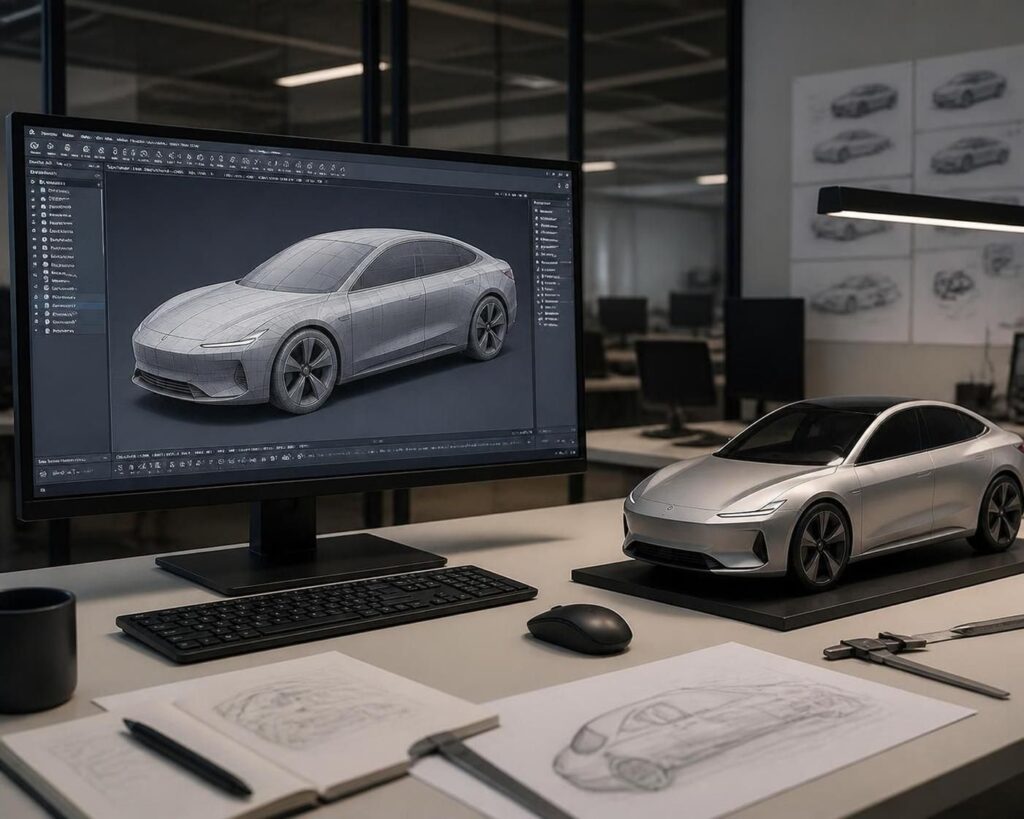
Crafting polished products is about more than appearance. It is about building with precision, testing early, and presenting the product in the best possible way.
If you want better results, start with a clear process and use the right design tools from the beginning. That is how good ideas become market-ready products.