5 Key Ways to Improve Product Design for Manufacturing
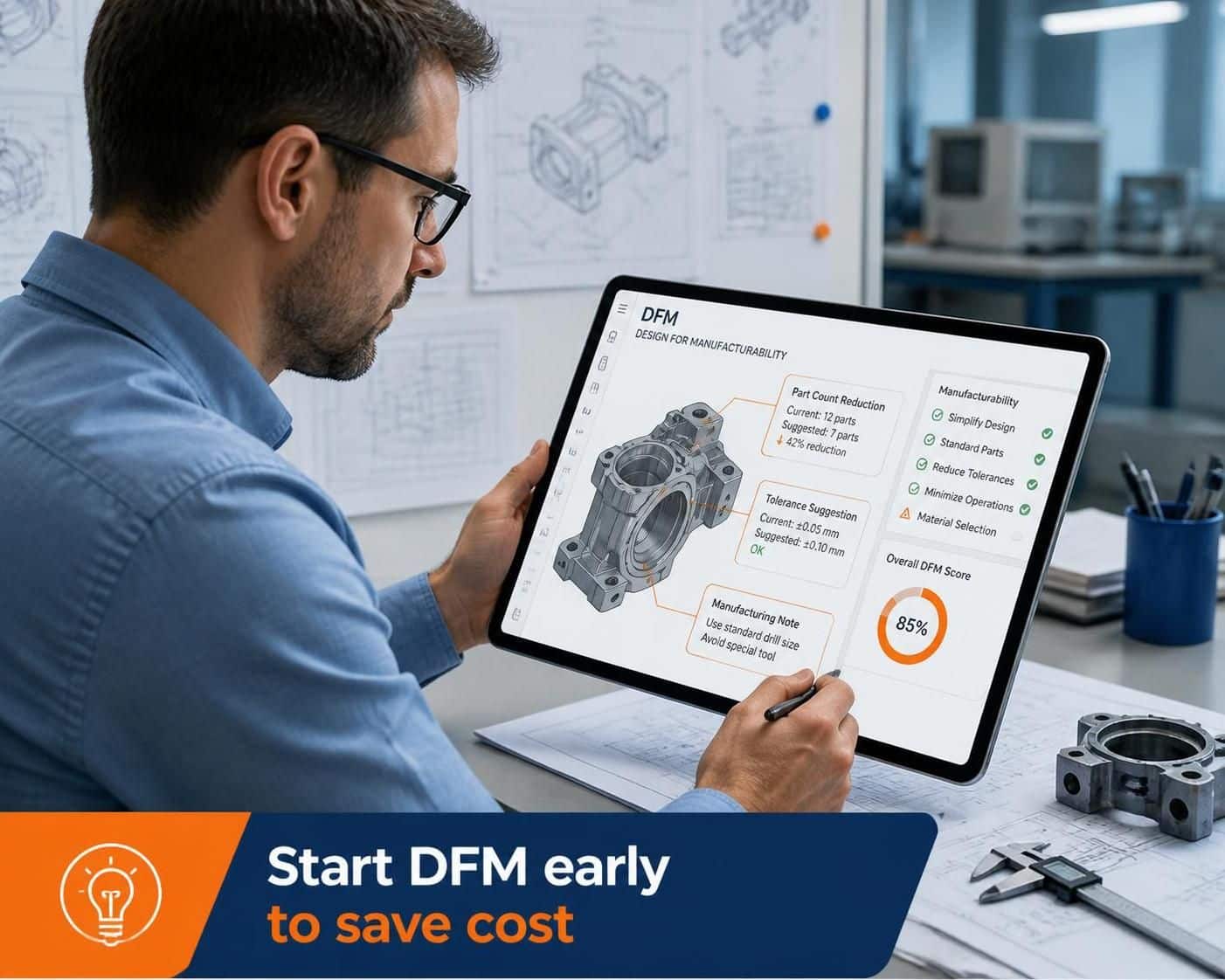
Improving product design for manufacturing (DFM) means designing so parts are easy to make, assemble, and pass quality checks. When you do it early, you cut delays, lower costs, and reduce rework.
1) Choose the right manufacturing process for the product
Start by matching the product idea to the process that can build it best. Different processes fit different shapes, materials, and quantities. If you pick the wrong one, the “design” becomes expensive and hard to produce.
Common manufacturing processes include:
- Casting: good for complex shapes in metals
- Molding: common for plastic parts
- Forming: used for bending, stamping, and forging
- Machining: great for precise features
- Joining: used to combine parts (welding, soldering)
A good starting point for understanding process basics is this guide from The American Foundry Society:
https://www.afsinc.org/
2) Design for manufacturability from day one
DFM is not a “late-stage” task. It’s a mindset that guides every decision from the first sketch to the final drawing. The goal is to simplify the product without hurting performance.
Focus on:
- Reducing the number of parts to simplify assembly
- Avoiding tight tolerances unless you truly need them
- Using standard sizes so suppliers can make it faster
- Designing for the real assembly method (not just the ideal one)
The idea is supported by general engineering design guidance from resources like this NIST page on cost andprocess thinking:
https://www.nist.gov/
3) Optimize material selection to reduce cost and risk
Material choice affects strength, weight, heat behavior, and even how parts are made. It also impacts scrap rate, lead time, and supplier options. When you select the right material early, you reduce surprises later.
Keep these in mind:
- Mechanical needs: strength, stiffness, toughness
- Thermal needs: heat resistance and expansion
- Chemical needs: corrosion resistance in harsh use
- Electrical needs: conductivity and insulation (for electronics)
- Availability and cost: choose what you can buy consistently
This overview from ASM (materials science and engineering) is a strong reference for how materials propertiesmatter:
https://www.asminternational.org/
4) Prototype fast, then test what matters
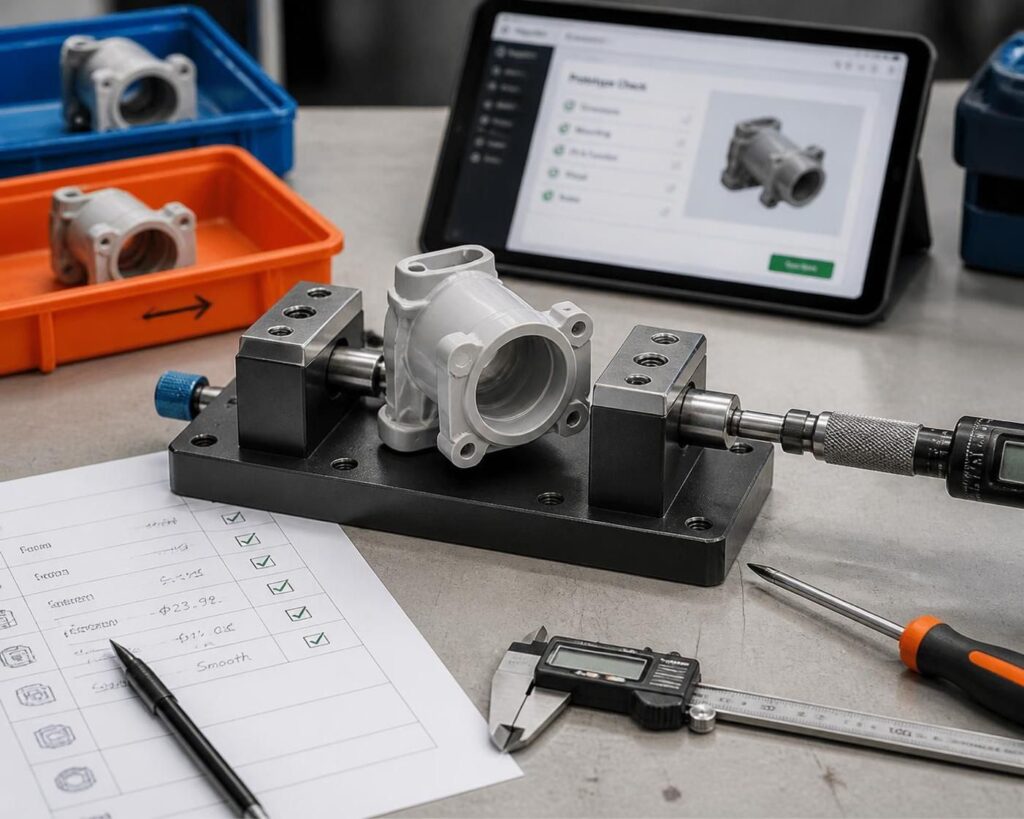
Prototyping helps you find problems before mass production. It’s one of the fastest ways to learn what needs fixing, especially for fit, finish, and user needs.
Use a simple plan:
- Build a first prototype quickly (3D printing or CNC can help)
- Test fit and function before polishing anything
- Run user feedback to catch usability issues
- Confirm durability with basic stress and environmental tests
For product testing and quality basics, you can also refer to ISO’s general approach to quality management:
https://www.iso.org/
5) Collaborate with manufacturers early to lock in the best plan
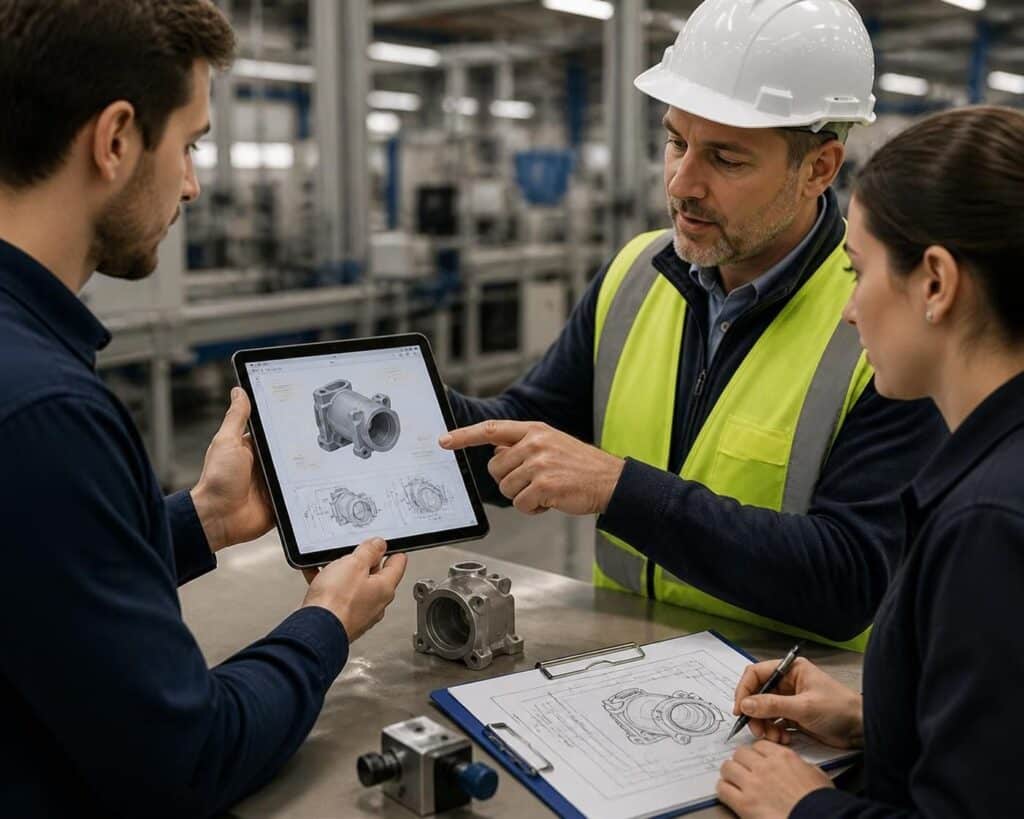
Manufacturers know what is realistic in production. If you bring them in only at the end, you may be forced to redesign under time pressure. Early collaboration helps you avoid “design vs. reality” conflicts.
Make collaboration practical:
- Share drawings, requirements, and target volumes
- Ask what processes work best for cost and speed
- Confirm tolerances, assembly steps, and inspection needs
- Create clear feedback loops for changes and approvals
This kind of early planning aligns with how many organizations approach supply chain and quality systemsthrough recognized standards and guidance, such as those from ISO:
https://www.iso.org/
A simple step-by-step DFM workflow you can use
- List requirements (performance, size, load, environment, target cost).
- Pick candidate manufacturing processes and compare feasibility.
- Review the design for simplification (part count, assembly steps, standard features).
- Choose materials that match performance and are easy to source.
- Prototype the riskiest parts first (interfaces, seals, complex shapes).
- Test and revise using feedback and manufacturing input.
- Freeze the design only after tolerances, quality checks, and assembly steps are clear.
The best product designs for manufacturing are created with production in mind. When you match the process early, simplify the design, choose smart materials, prototype quickly, and work with manufacturers from the start, you build faster—and you build better.